
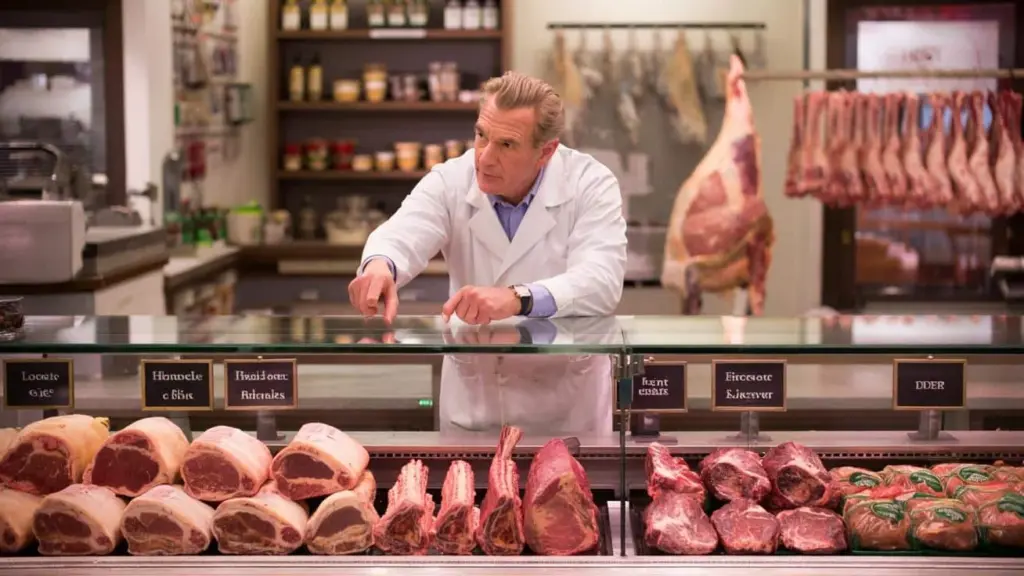
As debates rage over cheap Mercosur beef and worried European farmers, one question follows shoppers home: will a Sunday stew really cost less? A French butcher’s tip suggests you can cut the bill dramatically, keep flavour, and still put only local meat in the pot. The twist: the real savings rarely come from imported sirloin, but from the humbler cuts you may be walking past every week.
Mercosur beef: what’s actually getting cheaper?
When politicians and retailers talk about “cheap Mercosur beef”, they mostly mean imports from Argentina, Brazil, Paraguay and Uruguay. These countries already send significant volumes of beef to Europe, with lower production costs thanks to cheaper land, labour and feed.
Trade agreements now under discussion or in place focus on tariff-reduced quotas for beef, especially so‑called “noble cuts” from the loin. That usually means:
- Ribeye and entrecôte
- Sirloin and rump steak
- Striploin and similar grilling cuts
On these premium cuts, imported beef can undercut European equivalents by a notable margin. Those discounts attract restaurant buyers and large-scale caterers, who use them for steaks, burgers and frozen meals.
Most of the price war targets steakhouse-style cuts, not the slow-cooking pieces you drop into a family casserole.
For a home cook planning a beef stew or pot roast, that distinction matters. The eye-catching promotions on imported ribeye might look tempting, but they are not the smartest way to reduce the cost of a dish that simmers for hours.
The butcher’s quiet trick: lowly cuts, local origin
The key insight many butchers share with regulars is surprisingly simple: for stews, braises and casseroles, the finest value is in local “low” or working cuts, not in discounted imported steak.
These are the tougher, more active muscles of the animal, such as:
- Chuck or paleron – from the shoulder, full of connective tissue
- Shin or jarret – from the leg, rich in flavour
- Beef cheek – a deeply worked muscle ideal for very slow cooking
- Silverside and brisket – often used for pot roast or corned beef
They contain much more collagen than a fillet or sirloin. Under gentle, moist heat for several hours, collagen breaks down into gelatine, which thickens the sauce and leaves the meat silky and tender.
➡️ Eine Kosmetikerin verrät, wie man Trockenshampoo richtig verwendet und die Kopfhaut frisch hält
➡️ Wie sie mit wenigen zutaten eine frische tomatensalsa machen die chips zum highlight macht und ihre gäste in salsa süchtige verwandelt
➡️ Warum das Gefühl, von der Familie nicht akzeptiert zu werden, manchmal an der eigenen Kommunikation liegt
➡️ Weder Natron noch Essig: die magische Zutat, die eingebrannte Pfannenfette im Handumdrehen entfernt
➡️ Der Trick, das Spiegelbild in Schaufenstern zu nutzen, um die Funktion der eigenen Bremslichter ohne Hilfe zu überprüfen
➡️ Acht Strategien für Datenschutz in Smart-City-Apps, die Pendelmuster tracken
➡️ So nutzen Sie eine Yogamatte für effektive Dehnübungen und verbessern Ihre Haltung im Alltag
➡️ Schlechte nachrichten für alle die dem blick ausweichen was es über deine psyche verrät wenn du im gespräch keinen augenkontakt hältst und warum das freunde und feinde macht
Switching from steak cuts to local slow-cooking pieces can almost halve the price per kilo, while improving texture in a stew.
In France, for instance, a good paleron might sit around the mid-teens per kilo, while a French sirloin or faux-filet can land between roughly twice that at a craft butcher. The same pattern appears in UK and US meat counters: braising steak or chuck usually sits in a different price bracket from sirloin or ribeye.
Why “cheaper” doesn’t mean “worse” in a stew
On the grill, tenderness often follows price. But in a casserole, the rules flip. The cuts that are tougher when fried quickly become the best once they bathe for hours in stock or wine.
Lean, expensive steak dries out in long cooking. The fibres tighten, juice leaks out, and the meat turns stringy. But a collagen-rich cut softens, shreds beautifully and gives the sauce body without needing flour or cream.
So rather than chasing discounted imported sirloin for your bourguignon, a butcher would usually steer you to a cheaper, local shoulder or cheek. You protect domestic farmers and your wallet, and the dish often tastes better.
How to talk to your butcher – and what to ask for
Not everyone feels at ease at the meat counter. A simple script can help. Tell your butcher three things: what dish you want to cook, how many people you’re feeding, and your rough budget.
| Dish | Suggested cuts | Why they work |
|---|---|---|
| Beef bourguignon / red wine stew | Chuck, paleron, blade, shin | High collagen, deep flavour for slow simmering |
| Pot roast / pot-au-feu | Shin, brisket, gîte, silverside | Holds its shape, ideal for slicing after cooking |
| Cheek stew or daube | Beef cheeks | Becomes melting and gelatinous after long cooking |
| Chilli, ragu, mince dishes | Coarse mince from chuck or shoulder | More flavour and juiciness than lean steak mince |
If you care about origin, specify “only local or national beef, please”. Many butchers now label origin clearly, but a direct question still matters. For stews, they rarely need to turn to imported cuts at all.
Cooking technique: gentle heat, not violent boiling
The best cut can still disappoint if you rush the cooking. One of the most common mistakes is boiling a stew too hard, in the hope of saving time. At a rolling boil, the muscle fibres contract and squeeze out moisture, leaving meat dry and tough.
In a good stew, the liquid barely trembles. Tiny bubbles around the edge of the pot are plenty.
For most beef braises, aim for a low simmer just under the boil. That usually means 85–95°C in the pot, depending on your cooker. Expect 2–3 hours for small chunks, longer for whole pieces like brisket or cheek. Some cooks prepare the dish a day early, cool it rapidly, and reheat gently the next day. Flavours blend, the sauce thickens, and the meat often softens further.
A quick cost scenario for a family meal
Take a family of four planning a weekend beef bourguignon:
- Using premium steak: 1.2 kg of local sirloin at a higher price bracket quickly eats the budget, while long cooking actually harms the texture.
- Using local chuck or paleron: the same 1.2 kg comes in at close to half the price per kilo, and the dish improves.
Even allowing for wine, vegetables and energy costs, that switch from steak to stewing cuts can shave several pounds or euros off the bill. Repeat it every fortnight, and the yearly saving becomes noticeable, without touching imported meat.
What does “collagen” mean for home cooks?
Collagen is a protein that forms the connective tissues in muscles and joints. In raw form, it makes meat chewy. Under long, moist heat, it slowly turns into gelatine.
That transformation is what gives classic stews their silky mouthfeel. It also helps a sauce cling to vegetables and pasta. When you use cuts rich in collagen, you need fewer thickeners and less cream. For anyone watching fat intake, that’s a bonus: texture comes from time and technique, not from adding extra butter.
Balancing ethics, budget and taste
Importing cheaper beef from Mercosur countries raises questions about deforestation, transport emissions and competition with European farmers. Choosing local low-value cuts is one way for households to square the circle: spending stays close to home, total meat cost drops, and flavour stays centre-stage.
There is still room for occasional imported steaks, especially in restaurants or when budgets are squeezed hard. But for everyday stews and Sunday pots, the biggest financial lever is less about trade deals and more about what you ask for at the counter.
Households can also combine this trick with other habits. Cooking larger batches of stew, then freezing portions, spreads energy costs over several meals. Adding pulses like lentils or beans to beef dishes lowers the meat quantity per person without making plates feel sparse. Over a year, these small, concrete choices shape both spending and environmental footprint, far more than a single flashy promotion on a packet of imported steak.